AI workflow automation
Turn repetitive operational tasks into reviewed, observable workflows across your current stack.
 AI and Automation Consulting
Book a consultation
AI and Automation Consulting
Book a consultation
E2LC works across strategy and implementation: mapping where AI creates leverage, then building the secure automations, interfaces, and retrieval layers that fit your business.
Turn repetitive operational tasks into reviewed, observable workflows across your current stack.
Build assistants, copilots, agentic workflows, and task-specific tools with the right data, rules, and approval paths.
Design internal chat experiences for teams that need answers, summaries, drafting, and triage.
Extract, classify, search, and summarize document collections with retrieval and access controls.
We start narrow, keep data boundaries explicit, and build systems that can be observed and improved after launch.
We identify bottlenecks, data boundaries, integrations, and where human judgment must stay in the loop.
We create a focused version with the right agent orchestration, agent skills, and integrations before expanding scope.
We choose hosted, local, or hybrid model setups based on sensitivity, cost, latency, and governance.
We add observability, evaluation points, and feedback loops so the system can be trusted in practice.
02 TEAM
E2LC combines hands-on AI systems experience with practical infrastructure judgment, helping businesses choose what should run in the cloud, what should run locally, and how the pieces should connect.
AI systems and LLM integration
Ernest works across the model and application layer: LLM pre-training and post-training concepts, fine-tuning, retrieval-augmented generation, multimodal input design, model selection, and agent orchestration.
His focus is turning model capability into useful business systems: choosing the right model for the task, designing the retrieval and evaluation layer, and building agentic workflows that remain observable, secure, and practical for non-technical teams.
Local AI infrastructure and deployment
Daniel focuses on the deployment side of AI systems: local LLMs, open-source infrastructure, hardware planning, and the practical tradeoffs between hosted APIs, private servers, GPUs, CPUs, and hybrid deployments.
He helps teams understand when local inference is worth it, what hardware is realistic, and how to build infrastructure that supports privacy, cost control, latency targets, and reliable day-to-day use.
03 CASES
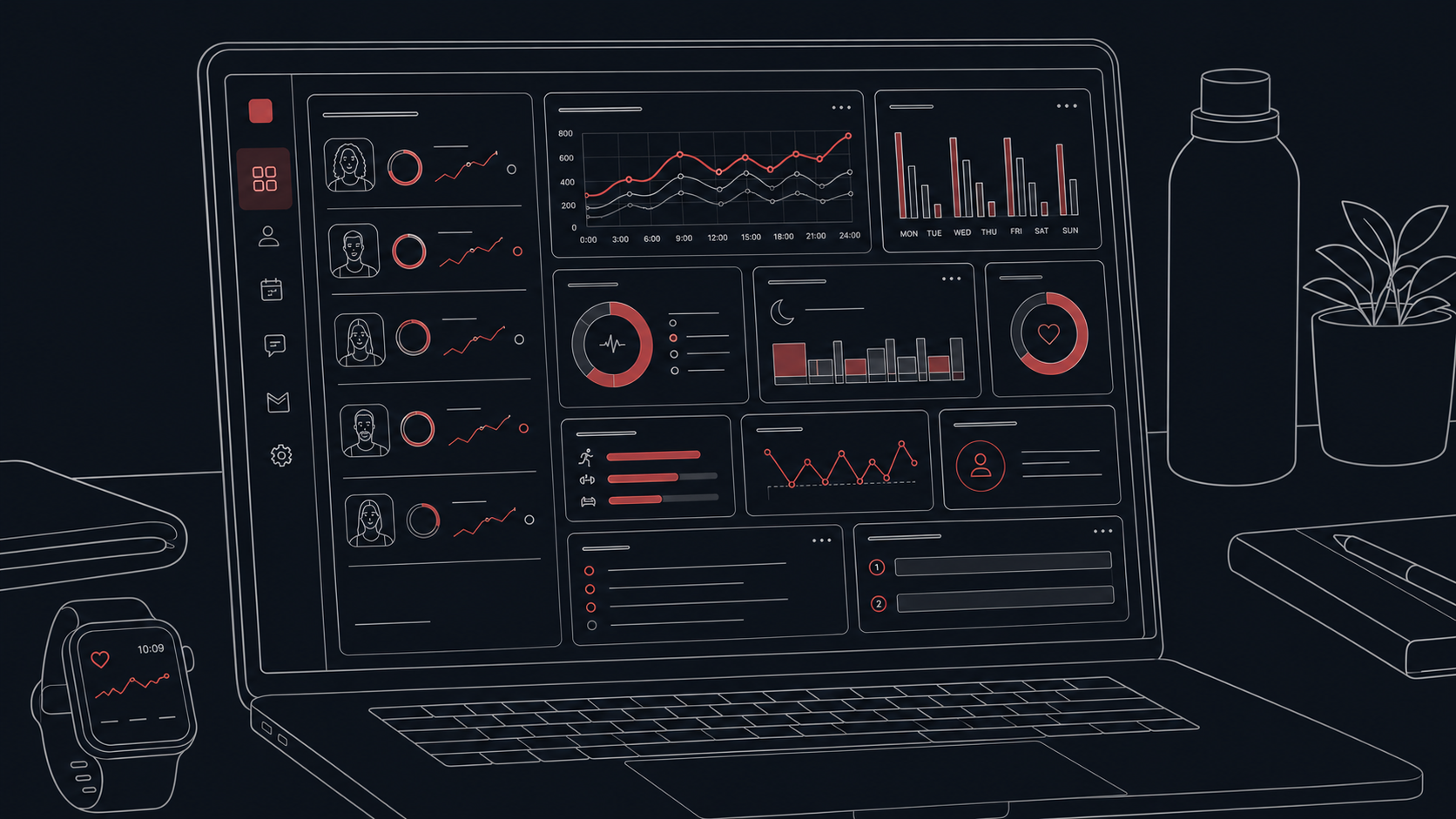
An online fitness coach had roughly 200 clients to monitor each week, with updates arriving across text, WhatsApp, email, Instagram DMs, images, videos, and wearable screenshots. We built an Openclaw/Hermes agent to triage communications, summarise them to the coach's specification, and combine them with wearable API data in one client dashboard.
A boutique law firm wanted to use AI in legal work, but had valid concerns around data security, confidentiality, and the cost of enterprise legal AI platforms. We helped them compare vendors including Legora and Harvey against building their own, then landed on a hybrid Local LLM and cloud setup supported by local hardware where sensitivity mattered.

A brand designer was losing time and budget across Midjourney, Nano Banana Pro, and AI features in Adobe, Canva, Figma, and other design tools. We created a streamlined, model-agnostic application where documents, inspiration, existing designs, and draft assets could be uploaded, visually understood by an LLM, and kept in context for generating images, videos, mockups, and brand documents.

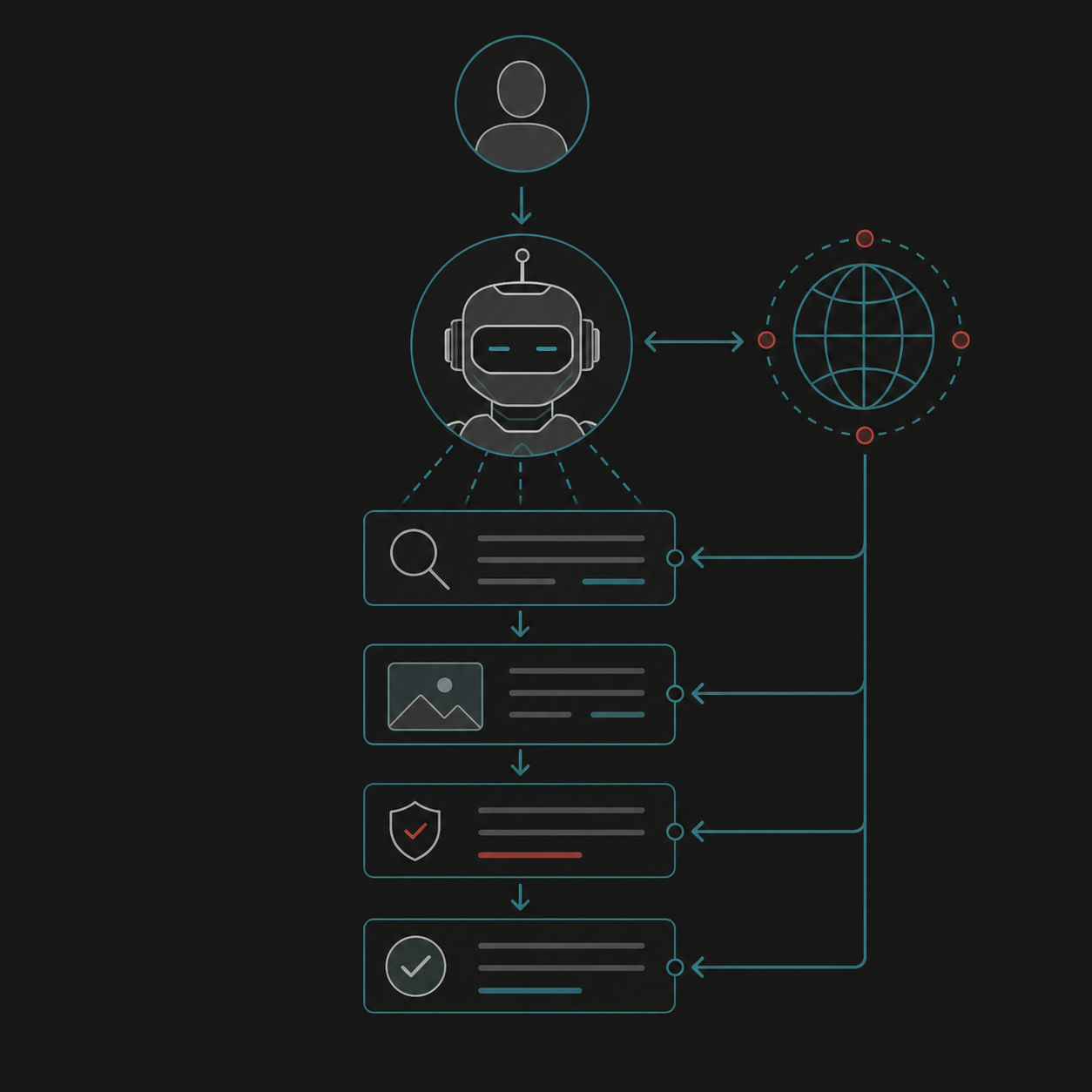
A founder with a strong public-sector problem insight wanted help turning a software prototype into an AI product. He had good software fundamentals, but needed support with LLM integration, prompt engineering, and agent orchestration for browser-use agents that could run in the background for users.
04 CONTACT
Share the workflow, tools, and pain points. E2LC will respond with next steps for a practical AI or automation consultation.